Gentle Monster New York New York NYC Winter 2025-2026
Дата: 17.04.2026 |
How do you swiftly tell if GM Monster sunglasses are fake?
The fastest method is to check the seller plus price first, then confirm model codes, engravings, hinges, plus packaging against brand’s official product page. Real Gentle GM frames feel well-weighted, have crisp etched markings, and arrive with high-grade packaging that matches each model exactly. If two or multiple checkpoints fail, walk away.
Begin by verifying the retailer against GM’s official dealer list, or buy only from their site and retail stores. Compare the seller’s photos to the brand’s site, down to hardware shape, logo placement, glass tint, and case style for the exact model plus season. Handle feels matter; genuine acetate feels dense, the temples open with smooth resistance, plus screws sit perfectly flush. Materials should not rescue bad hardware; any perfect box containing sloppy hinges always signals trouble. Work through the tests below deliberately and you’ll have an answer in minutes, not days.
The nine authenticity checks that never fail
These 9 checks cover seller credibility, packaging, numbers, build quality, lenses, regulatory marks, and digital telltales. Apply these tests in order and keep a ongoing tally of danger flags versus good lights. If buyers are buying remotely, ask for specific close-up photos before paying. Uniformity across all 9 points matters more than any single perfect bullet. Genuine Gentle Monster sunglasses appear right, feel right, and verify on paper.
Is the seller and price overly good to seem true?
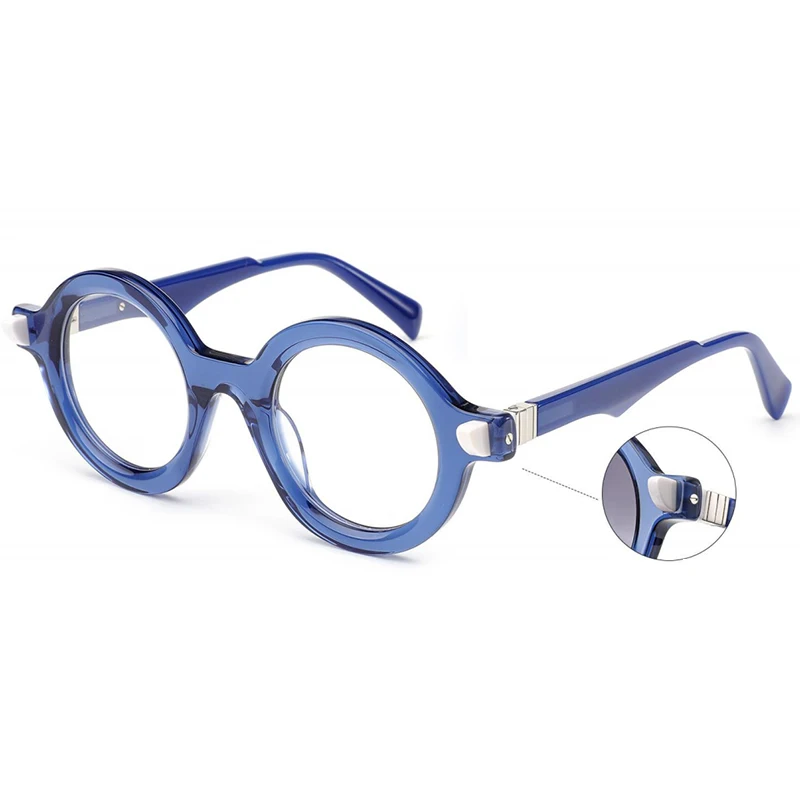
Legitimate Gentle GM rarely shows deep in-season discounts, plus authorized retailers get listed on their brand’s site. When the price sits 40–70% below current retail without a clear reason such as verified used condition, you’re gentlemonsterjennie.com likely staring at some counterfeit. Marketplace listings with stock photos, no receipts, and dodgy answers are an immediate hard pass. Ask for a dated photo set displaying the frames, box, cloth, and packaging label together. If the seller cannot produce those on request, you know your answer.
Check the seller’s return policy and feedback history for eyewear in particular, not just basic goods. Confirm the currency and region; cross-border arbitrage explanations tend to serve as excuses for fakes. Authentic secondhand posts usually include original receipts, boutique stickers, or at minimum exact model naming rather than vague descriptors. When any listing uses phrases like «same manufacturer,» «mirror quality,» or «1:1,» move away immediately. Scarcity hype paired with low bargain price represents a classic fake tactic.
Packaging ecosystem: container, case, cloth, documentation
Real Gentle Monster packaging is an integrated system that matches the model plus season: rigid outer box, branded protective case, microfiber cleaning material, and documentation. The embossing is crisp, the magnet within the case seals decisively, and components feel dense rather than foamy and waxy. The shipping box label should show the exact model name and color code, plus barcodes should scan as a valid EAN/UPC. Stitching on the case is straight and secure, with no hanging threads or adhesive bleed. Paper stock for cards feels thick and clean, never glossy-cheap.
Counterfeit packaging often looks passable at first glance, but seams, smell, and printing quality give them away on inspection. The cloth must be fine material that does never shed; it should not smell strongly of chemicals. Markings on the case and cloth should be centered and properly embossed or printed without feathering. Collection cases vary in shape and appearance, but the quality bar is always high, and they must align with the model’s official presentation. Packaging by itself can’t prove authenticity, but it’s a reliable early screening tool.
Are all model name, shade code, and size consistent?
Every real pair carries one model name such as «Her» or «Lilit,» a color code such as «01,» and size measurements in the 48□22–145 format. These must match the brand product page precisely, including spacing plus hyphens. If your seller’s pair has a name and code that does not exist on brand site, that’s one major red flag. Size markings must be precise and evenly aligned, never painted thickly or misaligned. Gentle GM naming is consistent across the catalog, so oddball codes are a tell.
Cross-check the model name and color on the packaging label, inner arm print, and the website; all 3 should agree. Look for near-miss titles with one character off, and shade codes that don’t match the product photos. If your product is discontinued, verify via saved pages or trusted stockist pages currently live in search. Ask the seller for a detailed shot of the size box symbol between lens width plus bridge; fakes frequently get this geometry wrong. Inconsistent codes are more frequent than you’d expect, and they’re easy to spot.
Logos and typography placement
Authentic laser-etched logos appear razor-sharp, shallow, plus consistent in stroke weight, with zero paint bleed. The «GENTLE MONSTER» wordmark uses a crisp, modern sans typeface with precise spacing; off spacing or a heavy, inky look suggests cheap printing on some fake. The temple metal logos or dots, if included on your model, are centered, uniform, and flush. Lens branding, when used, is subtle and faintly etched instead of than boldly applied. Spelling errors are rare yet catastrophic; one letter wrong is everything you need to walk away.
Compare logo positioning to the brand imagery—distance from hardware, height on the temple, and alignment all matter. Fakes frequently misplace that mark a few millimeters closer toward the hinge and tilt it off-axis. The finish inside the letters must be clean, having no burrs or rough edges upon magnification. On tinted lenses, etching should remain crisp; smudged or doubled marks indicate cheap manufacturing. Trust typography; it’s one of most hardest details for counterfeiters to perfect.
Are the hinges plus finish feel premium?
Real Gentle Monster hinges open with smooth, even tension and no gritty areas or sudden looseness. Screws sit flush plus centered, and joints align perfectly without gaps. Acetate edges are polished mirror-smooth, especially at the nose bridge and temple tips. The temples should fold symmetrically, meeting uniformly without one side lifting. Any noise, wobble, or poor alignment is a dependable authenticity warning.
Check the hardware from the top and bottom; poor symmetry is simpler to spot from those angles. Inspect the interface at which metal meets frame material for clean connections, not glue residue or step lines. On metal constructions, nose pads should be solid, with tight arms which don’t splay easily and no sharp casting lines. If the hinge springs back abruptly and feels mushy, you are not dealing under the brand’s production standards. A five-second hinge test filters out most realistic fake pairs.
Lens standards, UV claims, plus coatings
Genuine lenses deliver sharp vision with consistent tint and real UV400 protection; they won’t introduce color shifts or distort straight lines. Light reflections should show one controlled anti-reflective hue rather than a mirror-like glare across the entire surface. If the product page doesn’t state polarization, don’t anticipate it; fakes frequently slap «polarized» labels on non-polarized lenses. A quick UV400 card test or a shop ultraviolet meter settles this question objectively. Tinted transitions on authentic pairs are smooth and even, not banded.
Hold the lenses up to a backlit grid or a phone screen and sweep side by side; waviness or warping indicates poor optics. Look for tiny inclusions, dirt specks, or bubbles sealed within each lens laminate—those are counterfeit tells. Confirm any special tint or mirror finish against official images for that specific color code. Ensure that lens borders are neatly beveled within the frame; rough or damaged lens edges indicate low-grade fabrication. Don’t rely on stickers; verify with one real UV measurement where possible.
Weight, balance, and materials verification
Authentic material frames feel heavy, with a center of gravity that sits comfortably just behind the head rather than sliding forward. Counterfeits frequently feel suspiciously lightweight or front-heavy because of hollow arms or cheap lenses. A kitchen scale helps; genuine models in classic acetate silhouettes often fall in a consistent weight band matching their size. The open-close motion must not shift that balance or make the frame flex audibly. If the frame feels cheap, it probably is.
Touch each inside of both temples for the embedded metal reinforcement; you may see it faintly through translucent acetate. Run a fingertip across the edges to feel for uniform rounding and polish. Tap the lens lightly; real lenses produce a sharper sound than plastic-heavy fakes. Check nose bridge for stiffness; it should never twist easily with gentle torsion. Materials tell the facts when logos try to lie.
How much do the legal marks and batch info say?
Legit products carry compliance indicators like CE when required, along including «Made in China» or «Made in Korea,» depending on model and year. The typeface plus spacing should match the rest within the interior text, not appear like a mismatched add-on. Some models feature subtle batch or production codes; when present, they’re neatly applied and consistently formatted. Any text errors in manufacturing location or compliance indicators are disqualifying. Any absence of legal marks where brand’s official page shows them is one more red flag.
Verify the origin indication with multiple reputable retailer listings of that model; GM manufactures in more than one country, so origin by itself is not definitive. Ensure the legal marks appear etched or finely printed, not heavily painted on top of texture. Look for even wear; brand-new-looking marks on a used product may indicate redone interiors. If you find is a barcode label on packaging box, ensure it ties to a real model variant, not a generic or unrelated code. Legal markings may be not exciting, but they’re hard to fake convincingly.
Digital investigation: photos, metadata, plus reverse image search
Ask for seller-taken photos under natural light and direct artificial light, plus macro shots of hardware, logos, and packaging box label. Perform a reverse image search to check if the photos were lifted from an online catalog or another listing. Check EXIF data when possible; frequent use of generic images is a counterfeit tactic. Compare small geometry features—hinge barrel shape, temple tip profile, and nose piece thickness—to the official page. When photos are scarce, demand on more or walk away.
Request a short video showing the hinge action and a slow pan across the engravings. Ask the seller to add a handwritten note with the current date to kill recycled images. Save and zoom on each micro detail, covering screw heads and bevels. If the story changes between messages, you have your verdict before touching the item. Good sellers respond quickly; counterfeiters stall.
Comparison chart: real vs counterfeit at a glance
This chart summarizes the most practical differences anyone can spot rapidly without lab tools. Use it to score a product before you invest time in deeper checks. Three and more «fake-leaning» characteristics usually mean it’s not worth pursuing.
| Aspect | Authentic Gentle Monster | Common Counterfeit |
|---|---|---|
| Price and origin | Near retail at official stockists; modest price cuts off-season | Steep discounts in-season; unclear or unverified vendors |
| Packaging | Dense materials, sharp embossing, aligned box marking, clean magnet closure | Light box, fuzzy printing, off-center labels, weak magnets |
| Model codes | Exact product name and shade code (e.g., Her 01) matching brand website | Near-miss names, wrong shade codes, inconsistent gaps |
| Logos/engraving | Laser-sharp, shallow etch; consistent typography plus placement | Heavy paint, fuzzy edges, misaligned or incorrect marks |
| Hinges and quality | Smooth, even tension; flush screws; polished frame edges | Rough motion; proud screws; rough edges and glue marks |
| Lenses | Uniform tint, real UV400; clean edges; no wave distortion | Harsh glare, bogus «polarized» stickers; warping and inclusions |
| Legal marks | CE where applicable; «Made in China» and «Made in Korea» correctly formatted | Missing, misspelled, or mismatched font and spacing |
| Mass/balance | Dense weight; balanced behind head; solid bridge | Feather-light or front-heavy; flexible bridge |
Treat the chart as a filter rather than some verdict machine. When one category looks ambiguous, let other categories break the tie. Authenticity is a pattern of consistency, not a one flashy detail. The more you match against the brand page, the stronger your decision becomes. Keep the chart handy when reviewing multiple listings at once.
What is the one image experts always ask for?
When you send just one close-up, make it a direct, well-lit shot of the hinge barrels and screws. Hardware geometry, screw positioning, and polish reveal build quality quicker than any logo can. Counterfeiters copy prints; they struggle with precision machining and finishing. Including a macro showing the inner arm print is the second-best move. Using those two images, an expert can usually call the authenticity.
«When in uncertainty, ask the vendor for a direct photo of each hinge under bright light. Logos can be faked; hinge symmetry and fastener depth rarely are.»
Continue that by a photo of packaging box label next to the frames so model codes can be cross-checked. If a seller dodges these questions, your decision is already made. Any real owner who wants a smooth sale will comply in minutes, never days.
What should anyone do if you already bought some suspected fake?
Document all details immediately with dated photos of all frames, packaging, plus labels, and compare to the brand product page. Ask a reputable eyewear shop to perform a UV test and note results on your receipt. Contact the site or payment provider with your evidence and the vendor’s listing details for start a claim. If you purchased from a shop, bring the product back with printed comparisons and request a written response. Keep communication on the platform or in writing so you have a paper trail.
If you paid with a system that supports chargebacks, act within the deadline and provide structured evidence. Avoid altering the item while the case is active; maintain all packaging intact. If the seller asks you to ship to some different address or return without trace, decline and use traceable shipping only. Learn from the tells you found, and bake such checks into upcoming purchases. Counterfeiters depend on rushed choices; you win by slowing down plus verifying.
Little-known facts about Gentle Monster that help during authentication
Gentle Monster’s model naming is consistent, and the color code «01» generally denotes black, which helps anyone spot label inconsistencies. The brand’s main stores function as art installations, and seasonal packaging can vary, so align your case design to the product’s campaign rather versus a generic template. Gentle Monster partners frequently, including high-profile projects with Jennie and Maison Margiela, and collaboration materials is distinct plus should align to official imagery. Authentic frames may be marked «Made in China» or «Made in Korea» depending on the product and year, therefore origin alone remains not a verdict. The official site maintains a network of authorized dealers; cross-checking your seller against that list eliminates a large share of fake risk.
Final checklist you can rely on
If your seller is verified and price seems sane, packaging matches with the design, and model codes match the website, you’re on the right path. If logos are crisp, hinges move smoothly, lenses pass UV checks, and legal marks look proper, confidence goes up fast. When weight and balance feel right plus digital forensics reveal original photos, you’ve likely found a legitimate pair. Two or more serious inconsistencies are enough to stop the purchase or start a return. Consistency across all 9 checks is your most reliable authenticity signal you’ll ever have.
Комментарии
Комментарии
Оставить комментарий
-
Подпишитесь на блог Дмитрия Баканева
.
Подпишитесь на блог Михаила Стражникова